

Ihr werdet zum ersten Mal Eltern und das heißt auch, es soll alles zur Ankunft Eures kleinen Wunders perfekt sein? Verständlich! Und keine Frage: Vor dem großen Termin müsst ihr einige Anschaffungen machen.
Ihr solltet aber nicht gleich in einen Kaufrausch verfallen. Unsere Baby Erstausstattungs-Liste zum Download und Ausdrucken gibt einen guten Überblick über die Dinge, die ihr wirklich braucht.
Baby Erstausstattung-Liste: Weniger ist (anfangs) mehr
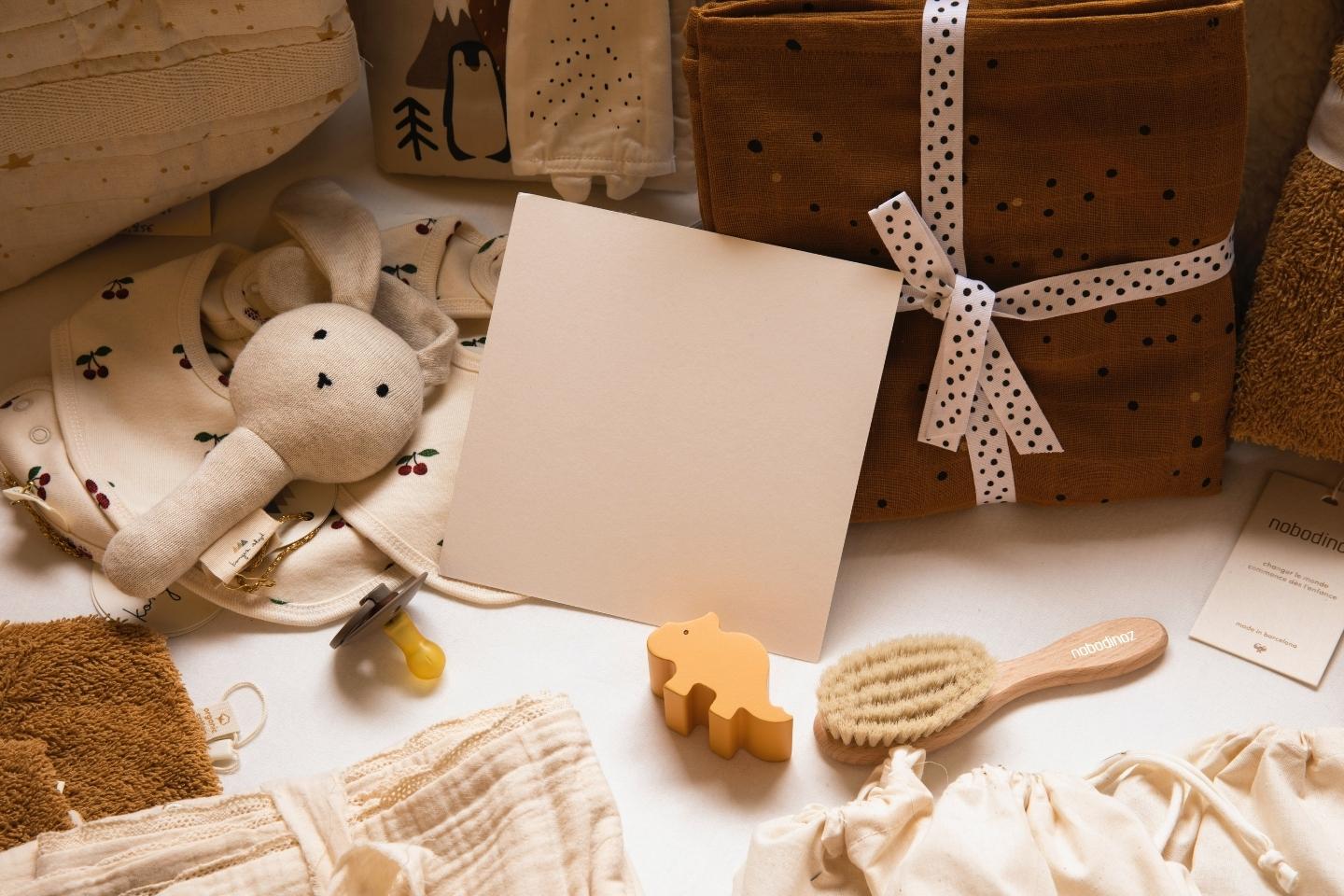
Zugegeben: Je näher der große Tag der Geburt rückt, desto größer die Lust, die Kreditkarte zu zücken. um all die bezaubernden (und verführerischen) kleinen Accessoires, Söckchen und Kleidungsstücke für euer Kind zu kaufen.
Allerdings: Neugeborene wachsen schnell und brauchen anfangs nicht viel. Im Gegenteil. Neben Kleidung, Windeln und den größeren Anschaffungen wie Babyschale oder Kinderwagen, benötigt euer Schatz in den erste Wochen und Monaten vor allem eines: Liebe, Nähe, Fürsorge und - wenn möglich - Muttermilch.
All die hübschen Dinge, die es für Neugeborene da draußen gibt, werden leider meist kaum benötigt. Und haben dann gar keine Verwendung.
Bedenkt auch: Zur Geburt werden Freunde und Familie sicherlich einige Geschenke für euch bereithalten. Kalkuliert das also in eurer Planung mit ein. Wenn ihr schlau seid, lasst ihr euren Bekanntenkreis wissen, welche Dinge ihr wirklich braucht. Die könnt ihr dann wiederum von eurer Liste für die Baby Erstausstattung streichen.
Zu guter Letzt gilt die Devise: Ihr habt neun Monate Zeit. Nutzt also die Wochen dazu, mit Ruhe und Bedacht vorzugehen. Damit ihr den Überblick behaltet, haben wir für euch eine gute Liste mit den wichtigsten Anschaffungen zur Baby Erstausstattung kreiert.

Kleidung für das Baby
Babykleidung, insbesondere in den ersten Wochen, sollte praktisch und bequem sein. Von Kapuzen oder aufwendigen Knopfleisten auf dem Rücken raten wir eher ab. Auch Bodys, die über den Kopf gezogen werden müssen, mögen Neugeborene oftmals nicht.
Besser: Bodys und Strampler zum Wickeln mit Knopfleiste im Schritt. Dann müsst ihr euer Kleines nicht immer ganz ausziehen, wenn ihr die Windeln wechselt.
Die passende Größe für Neugeborene ist in der Regel 56. Wir empfehlen aber, gleich drei verschiedene Größen zu kaufen: 56, 62 und 68. Denn: Säuglinge wachsen innerhalb kurzer Zeit und das meist um mehrere Zentimeter.
Kauft am besten nur das Nötigste und fragt auch einmal bei befreundeten Familien nach, ob diese euch Kleidung leihen können. Das spart Geld und ist nachhaltiger. Übrigens: Neu gekaufte Kleidung solltet ihr vor dem Anziehen mehrmals ohne Weichspüler waschen. So spült ihr alle unnötigen Schadstoffe aus der Kleidung.
Auf eurer Liste sollten stehen:
- sechs Bodys mit Knöpfen (jeweils zwei in jeder Größe)
- fünf bis sechs Strampler (jeweils zwei in jeder Größe)
- zwei Mützen (dünn und dick)
- vier Paar Socken
- vier Oberteile mit langen Ärmeln (bei Winterbabys)
- vier Oberteile mit kurzen Ärmeln (bei Sommerbabys)
- acht bis zehn Mullwindeln (Spucktücher, davon kann man nie genug haben)
- ein bis zwei Strickjacken / oder Pullover
- ein warmes Jäckchen
- zwei Schlafstrampler
- zwei Strumpfhosen
- ein Outdoor-Overall aus Wolle (bei Winterbabys)
Das braucht ihr nicht:
- zu niedliche und teure Kleidung in den Größen 56 bis 62
- Baby-Sneaker
- Jeans
- Kapuzenpullis
Wickeln und Pflege
Unbestritten ist: Windeln braucht ihr zu Hause. Allerdings solltet ihr erst einmal davon absehen, eine riesige Packung Windeln in Größe 1 zu kaufen. Denn je nach Gewicht und Größe kann euer kleiner Schatz bereits in den ersten zwei Wochen aus der Größe wachsen.
Bekommt ihr wiederum ein Frühchen, werdet ihr einige Wochen auf die Größe 1 zurückgreifen müssen. Deswegen unser Rat: Zwei Packungen der Größe 1 und zwei Packungen der Größe zwei genügen erst einmal.
Dann schaut ihr, was ihr nach Bedarf benötigt. Freund:innen, Nachbar:innen oder Familienangehörige können für euch im Wochenbett Windelnachschub besorgen. Oder ihr bestellt online. Da gibt es mittlerweile tolle Angebote.
Bei Pflegecreme, Feuchttücher & Co. gilt die Devise: Weniger ist mehr. Wundcreme und Babypuder sind überflüssig. Wasser und frische Luft sind bei der empfindlichen Haut am besten. Gleiches gilt für Badezusatz. Ein paar Tropfen Muttermilch im Badewasser pflegt die empfindliche Babyhaut auf natürliche Art und Weise.
Manche Eltern verzichten sogar gänzlich auf Feuchttücher und nutzen ausschließlich Waschlappen und warmes Wasser. Das steht euch natürlich frei, ist aber durchaus eine Option.
Eine gute Idee ist wiederum Fenchel-Anis-Öl für die regelmäßige Babymassage, falls euer Kleines ab und an unter Bauchschmerzen leidet. Das Öl tut im Übrigen auch Erwachsenen bei Magenverstimmungen gut und ist somit eine Anschaffung für die ganze Familie.
Auf eurer Liste sollten stehen:
- je zwei Pakete Windeln in Größe 1 und 2
- zwei Pakete Feuchttücher (gibt’s auch in nachhaltig und ohne Mikroplastik)
- oder: 10 Waschlappen und eine kleine Plastikschüssel für warmes Wasser
- ein einfacher Windeleimer, den ihr geruchsdicht verschließen könnt
- eine abwaschbare Wickelauflage
- oder: 1 Paket Wegwerf-Wickelauflagen
- Fenchel-Anis-Öl
- ein Badethermometer
- ein Badetuch (wahlweise mit Kapuze)
- ein Fieberthermometer
- nach Bedarf: 2 Schnuller
- Baby-Nagelschere (für später)
- eine Baby-Badewanne (bei Bedarf, alternativ könnt ihr mit eurem Baby einfach zusammen baden oder einen Waschlappen nutzen)
Das braucht ihr nicht:
- Wundsalbe
- Babypuder
- Badezusätze
Eventuell ist es für euch sinnvoll, eine kleine Notapotheke für den Fall der Fälle anzulegen - mit Fieber-Zäpfchen und anderen Hilfsmitteln. Am besten, ihr sprecht mit eurer Hebamme vorab, was ihr gebrauchen könnt.
Einrichtung für euer Zuhause
Viele Eltern verzichten anfangs auf ein eigenes Kinderzimmer. Ein Neugeborenes braucht nicht viel Platz und schläft eventuell ohnehin bei euch im Nestchen mit im Bett. Oder ihr setzt auf ein Beistellbett.
Auch auf Spielzeug und Kuscheltiere könnt ihr erst einmal verzichten. Oftmals bekommt ihr diese ohnehin geschenkt. Und euer Kleines interessiert sich in den ersten Wochen kaum dafür.
Selbst auf eine Wickelkommode könnte man theoretisch verzichten. Da gibt es smarte Aufsätze für die Waschmaschine - falls ihr Platz und Geld sparen wollt. Andererseits bieten Wickelkommoden auch immer gut Stauraum für Kleidung, Windeln und andere Must-Haves, die auf eurer Baby Erstausstattungs-Liste stehen.
Übrigens: Einige Eltern schwören auf motorisierte Federwiegen, wie die swing2sleep. Selbst Schreibabys schlafen hier selig für mehrere Stunden. Junge Eltern verschaffen sich so wohltuende Pausen.
Plus: Das Gestell mit Hängematte nimmt nicht viel Platz ein, sodass die swing2sleep auch in kleinere Wohnungen passt. Bei besonders wenig Platz (oder Dachgeschosswohnungen) kann die swing2sleep ganz einfach mit einer Türklammer angebracht werden.
Auf eurer Liste sollte stehen:
- ein Beistellbett oder Baby-Balkon
- eine gute Baby-Matratze
- zwei Spannbettlaken
- oder: Nestchen, wenn euer Kleines bei euch im Bett schlafen soll
- ein Babyschlafsack
- eine Spieluhr
- eine Wickelkommode
- oder: ein Wickelaufsatz für die Waschmaschine
- ein Heizstrahler
- ein Babyphone (bei Bedarf)
- eine swing2sleep Federwiege (bei Bedarf)
Das braucht ihr nicht:
- Krabbelgitter
- Stubenwagen
- Spielzeug und Kuscheltiere

Stillen & Ernährung
Wenn ihr euch entschieden habt, ausschließlich zu stillen und das auch gut für euch klappt, braucht ihr eigentlich kaum etwas. Ein paar bequeme Still-BH’s für die Mama, waschbare Stilleinlagen und Brustwarzensalbe sowie Silberhütchen, mehr muss nicht auf eurer Baby Erstausstattungs-Liste stehen.
Trinkt euer Kleines wiederum aus der Flasche, stehen ein paar mehr Must-Haves auf eurer Liste. Doch auch hier gibt es einiges auf dem Markt, was eher überflüssig ist, beispielsweise einen teuren Flachen-Sterilisator. Die sind zwar praktisch; wer aber Geld sparen möchte, sterilisiert die Flaschen und Sauger einfach im Kochtopf.
Für Stillbabys sollte auf eurer Liste stehen:
- zwei bequeme Still-BH’s
- waschbare Stilleinlagen (oder ein Paket Einweg-Stilleinlagen)
- eine Tube Lanolin-Brustwarzensalbe
- ein gutes Stillkissen
- Silberhütchen bei entzündeten Brustwarzen
- Thermopads bei schmerzenden Brüsten (alternativ gehen auch Kohlblätter und warme Waschlappen)
Für Flaschenbabys sollte auf eurer Liste stehen:
- 4-6 Fläschchen aus Glas oder BPA-freiem Kunststoff
- 3-4 Silikon- oder Latex-Sauger Größe 1
- 1 Flaschenbürste
- 1 Paket Pre-Milch Pulver
- 1 Thermoskanne für unterwegs
- Flaschensterilisator (bei Bedarf)
Das braucht ihr nicht:
- elektrische Milchpumpe (müsst ihr zumindest nicht kaufen, leihbar in der Apotheke, in der Regel zahlt die Krankenkasse die ersten 12 Wochen)
- Flaschenwärmer
Gegenstände für Unterwegs
Für den Transport aus dem Krankenhaus nach Hause ins Wochenbett braucht ihr eine gute Babyschale für das Auto. Später ist ein Kinderwagen und/oder eine Baby-Trage für den Alltag unerlässlich.
Am besten, ihr setzt auf eine Kombination aus Kinderwagen und Tragetuch, denn viele Babys möchten gerade in der ersten Zeit mehr am Körper getragen werden. Gute Kinderwagen gibt es auch gebraucht. Viele Eltern geben diese oftmals in sehr gutem Zustand wieder ab.
Denn neue Kinderwagen können extrem ins Geld gehen. Achtet aber darauf, dass der gebrauchte Kinderwagen nicht älter als 10 Jahre ist. Checkt beim Abholen außerdem unbedingt die Bremsen und den Sonnenschutz. Bestenfalls ist die Originalverpackung und die Bedienungsanleitung auch noch dabei.
Das sollte auf eurer Liste stehen:
- eine Autoschale
- ein Sonnenschutz für die Autoscheibe
- eine Baby-Trage oder ein Tragetuch
- ein Kinderwagen
- ein Schlafsack
- ein Sonnenschutz für den Kinderwagen
- eine leichte Decke (für Sommerbabys, bei Bedarf)
- ein kuscheliges Lammfell (für Winterbabys, bei Bedarf)
- eine Baby-Trage oder ein Tragetuch
- eine gute Wickeltasche (alternativ könnt ihr auch auf einen guten Rucksack zurückgreifen)
Das braucht ihr nicht:
- einen Sonnenschirm (in der Regel genügt die Abschirmung beim Kinderwagen)
- ein Kopfkissen
Im Wochenbett: Zeit für Ruhe und Nähe
Im Wochenbett benötigt ihr als frisch gebackene Eltern vor allem eines: Ruhe. Und ein paar helfende Hände, die beispielsweise ab und an im Haushalt anpacken, Einkäufe erledigen oder vorgekochtes Essen vor die Wohnungstür stellen.
Am besten, ihr bereitet euch selbst in den Wochen vor der Entbindung vor, kocht ein paar Suppen und Eintöpfe und friert sie ein. Denn wenn ihr als kleine Familie im Wochenbett angekommen seid, wollt ihr vermutlich nur eines: Kuscheln. Ein paar hilfreiche Dinge insbesondere für die Mama solltet ihr dennoch für diese besondere Zeit besorgen.
Auf eurer Liste sollte stehen:
- große, saugstarke Binden für den Wochenfluss
- bequeme Hosen oder Leggins mit dehnbarem Bund (hier genügt meist die Umstandsmode vom dritten Trimester)
- große, bequeme Unterhosen
- Nachtwäsche und leicht zu öffnende Oberteile für entspanntes Stillen
Das braucht ihr nicht:
- eine Bude voller Gäste, die das Baby bestaunen wollen
Extra-Tipp: Führt eine Geschenkeliste
Wie bereits oben erwähnt: Sicherlich wollen euch Familienangehörige und Freund:innen zur Geburt eures kleinen Wunders beschenken. Am besten, ihr bereitet eine individuelle Geschenkliste mit den wichtigsten Must-Haves für euren Bekanntenkreis vor und teilt diese mit ihm.
Eure Freunde und eure Familie haben dadurch weniger Kopfzerbrechen, was ihr gebrauchen könnt. Und ihr könnt sicher sein, dass ihr Spucktücher, Schnuller oder Tragetuch nicht doppelt und dreifach bekommt.
So seid ihr bestens vorbereitet auf die Ankunft eures Schatzes.