Kurz zusammengefasst: Die meisten Babys drehen sich zwischen dem dritten und neunten Lebensmonat, zunächst vom Rücken auf die Seite, später auf den Bauch und zurück. Erste Anzeichen wie kräftiges Strampeln und Kopfheben zeigen sich meist ab dem vierten Monat. Vor dem achten Monat ist eine Verzögerung noch kein Grund zur Sorge.
Zuletzt aktualisiert: Juli 2026. Verfasst von Maik Schwede, Gründer von swing2sleep.
Drehphasen-Tabelle: Wann dreht sich dein Baby?
| Phase | Zeitraum* | Was passiert | Typisches Anzeichen |
|---|---|---|---|
| Vorbereitung | ca. 3.-4. Monat | Kopf in Bauchlage anheben und halten | Kräftiges Strampeln, Kopf wippt hoch |
| Rücken → Seite | ca. 3.-6. Monat | Erste Drehung zur Seite, noch unkoordiniert | Beine in die Luft, kippt zur Seite |
| Anzeichen-Phase | ca. 4.-5. Monat | Muskulatur trainiert sich, Vorbereitung aufs Drehen | Abdrücken mit den Armen, Schwimmbewegungen, Wippen |
| Rücken → Bauch | ca. 7. Monat | Komplette Drehung auf den Bauch gelingt | Landet oft überrascht in Bauchlage |
| Bauch → Rücken | ca. 7.-9. Monat | Rückdrehung aus der Bauchlage gelingt | Dreht sich über die Seite zurück auf den Rücken |
| Nach dem Drehen | ab ca. 8.-9. Monat | Vorbereitung aufs Sitzen und Krabbeln | Mehr Bewegungsdrang, stützt sich ab |
*Durchschnittswerte, jedes Baby entwickelt sich individuell. Manche Babys lassen einzelne Phasen aus und krabbeln direkt.
Das Drehen ist ein Meilenstein von vielen: Hol dir den kostenlosen Meilenstein-Leitfaden für das erste Babyjahr. Mit allen Entwicklungsschritten Monat für Monat, damit du immer weißt, was als Nächstes kommt.
In den ersten Lebensmonaten durchläuft dein Baby zahlreiche Entwicklungsschritte. Es lernt jeden Tag Neues und entwickelt sich von Tag zu Tag weiter. Dazu gehört, dass es irgendwann lernt, sich eigenständig zu drehen. Für Eltern ist dieser Meilenstein von großer Bedeutung.
In diesem Artikel erfährst du, ab wann Babys sich drehen, welche Anzeichen es für ein baldiges Drehen gibt und wie du dein Baby dabei unterstützen kannst. Dabei stellen wir dir auch die Federwiege von swing2sleep vor, die dein Baby beim Schlafen in entwicklungsreichen Phasen unterstützt.
Ab wann drehen sich Babys vom Rücken auf die Seite?
In Bezug auf das Drehen wird dein Baby in seinem ersten Lebensjahr verschiedene Phasen durchlaufen. Diese beginnen damit, dass sich dein Baby zunächst vom Rücken auf die Seite dreht. Einige Babys beginnen bereits im Alter von etwa drei Monaten damit, während andere sich erst im fünften oder sechsten Lebensmonat auf die Seite rollen.
Um sich vom Rücken auf die Seite zu drehen, ragt dein Baby seine Beine in die Luft und kippt dann auf die Seite. Das wird zunächst noch unkoordiniert aussehen und dein Baby wird bei den ersten Versuchen wahrscheinlich direkt wieder auf den Rücken rollen. Mit der Zeit kräftigt sich jedoch die Muskulatur und dein Baby wird koordinierter.
Kann es sich auf die Seite legen und in dieser Position verharren, dann nimmt dein Baby seine Umwelt aus einer neuen Perspektive wahr. Insbesondere seine direkte Umgebung kann es jetzt deutlich besser wahrnehmen.
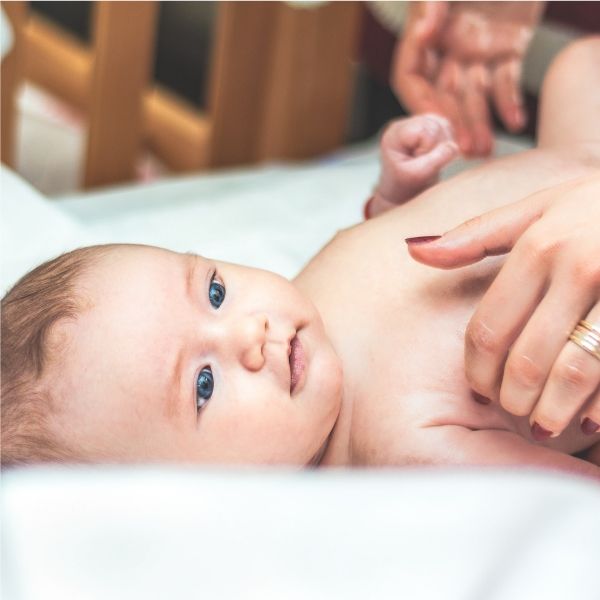
Passe deshalb beim Wickeln besonders gut auf: Viele Babys drehen sich beim Wickeln häufig, um ihre Umgebung zu erforschen.
Wann können sich Babys vom Rücken auf den Bauch drehen?
Hat dein Baby gelernt, sich vom Rücken auf die Seite zu drehen, dann wird die Bauchlage der nächste Entwicklungsschritt sein. Liegt dein Baby erstmal auf dem Bauch, dann trainiert es dabei seine Nackenmuskulatur und lernt, seinen Kopf eigenständig zu halten. Für Babys ist das Drehen auf den Bauch somit ein bedeutender Schritt in ihrer Entwicklung.
Wann sich Babys eigenständig auf den Bauch legen, ist schwer zu sagen. Den meisten Babys gelingt es mit etwa sieben Monaten, sich vom Rücken auf den Bauch zu drehen. Oftmals handelt es sich dabei nicht um ein bewusstes Drehen – dein Baby ist erst auf die Seite gerollt und dann auf den Bauch.
Hat es dein Baby auf den Bauch geschafft, dann ist es möglicherweise also selbst überrascht davon und schafft es nicht allein zurück auf den Rücken. Beobachte dein Baby in dieser Phase genau und hilf ihm, wenn nötig, aus der Bauchlage heraus.
Weiterer Entwicklungsschritt: Wann drehen sich Babys vom Bauch auf den Rücken?
Kann dein Baby sich von der Rückenlage in die Bauchlage drehen, dann fehlt nur noch ein weiterer Schritt. Dein Baby wird schon bald lernen, sich eigenständig vom Bauch auf den Rücken zu drehen. Das gelingt den meisten Babys mit etwa sieben bis neun Monaten.
Diese Drehung ist für viele Babys eine Herausforderung, da sie ihren Kopf dabei schnell unsanft auf den Boden kippen. Es wird sich zuerst mithilfe seiner Arme vom Bauch auf die Seite drehen und anschließend auf den Rücken fallen lassen.
All diese Schritte sind für dein Baby mit großer Anstrengung verbunden. Sie beanspruchen die Muskeln und stärken diese gleichzeitig. Dein Baby muss sich außerdem konzentrieren, um die Drehung zu schaffen.
Deshalb ist es auch nicht ungewöhnlich, dass dein Baby möglicherweise etwas früher oder später mit dem Drehen beginnt. Es ist vielmehr eine individuelle Entwicklung, die Babys unterschiedlich schnell durchlaufen.
Woran erkenne ich, dass mein Baby drehen lernt?
Die motorische Entwicklung von Babys schreitet rasch voran. Bis zur ersten Drehung vergehen oftmals nur wenige Monate. Eltern fragen sich deshalb, woran sie überhaupt erkennen, dass ihr Baby sich bald eigenständig drehen könnte.
Wir haben einige Anzeichen für dich zusammengefasst:
- Starkes Strampeln: Liegt dein Baby auf dem Rücken und strampelt mit den Beinen wild in der Luft, dann trainiert es wahrscheinlich schon seine Muskulatur für die erste Drehung.
- Aufrichten des Kopfes: Im Alter von etwa drei bis vier Monaten lernt dein Baby, seinen Kopf zu halten und aufzurichten, wenn es auf dem Bauch liegt.
- Abdrücken mit den Armen: Anschließend wird es versuchen, sich mit den Armen vom Boden abzudrücken, auch das trainiert seine Muskulatur.
- Schwimmbewegungen: Viele Babys machen zudem ganz instinktiv Schwimmbewegungen in Bauchlage, um ihre Koordination und ihre Muskulatur zu trainieren.
- Wippen: Auch eine wippende Bewegung von Babys in Bauchlage kann ein Anzeichen dafür sein, dass es sich schon bald drehen könnte.
Bei den meisten Babys sind diese Anzeichen zwischen dem vierten und fünften Lebensmonat zu beobachten. Sollte dein Baby sich jedoch noch nicht drehen oder abstützen, dann solltest du dir keine Sorgen machen.
Jedes Baby entwickelt sich in seinem eigenen Tempo. Und wenn dein Sprössling sich erst mit sechs Monaten dreht, dann ist daran alles in Ordnung.

Sollten Babys beim Drehen unterstützt werden?
Grundsätzlich beginnen Babys von ganz allein damit, sich zu drehen und an ihrer Koordination zu arbeiten. Es ist somit nicht notwendig, sie aktiv dabei zu unterstützen oder sie dazu zu animieren.
Du hast jedoch die Möglichkeit, dein Kind spielerisch zu fördern.
Dafür gibt es die verschiedensten Möglichkeiten:
- Lege dein Baby auf eine Spieldecke: Liegt dein Baby entspannt auf einer Spieldecke, dann kann es dort am besten üben, wie es sich dreht. Solche Decken bieten einen weichen Untergrund und animieren dein Baby dazu, seinem Bewegungsdrang nachzugehen. Achte darauf, dass dein Baby in der Mitte der Decke liegt, um sich beim Drehen nicht den Kopf auf den Boden zu schlagen.
- Rege die Drehung mit Spielzeug an: Lege dein Baby auf den Rücken und beobachte sein Verhalten. Du kannst ein Spielzeug neben ihm platzieren und es damit dazu anregen, sich zu drehen. Das funktioniert auch mit einer kleinen Rassel oder anderen Gegenständen.
- Behalte dein Baby stets im Blick: Lernt dein Baby derzeit, sich zu drehen, dann solltest du besonders wachsam sein. Denn anfänglich sind Babys oft noch unkoordiniert und könnten sich verletzen. Achte außerdem darauf, dass keinerlei Kleinteile auf dem Boden liegen, die dein Baby möglicherweise verschlucken könnte. Alle gefährlichen Gegenstände sollten stets außer Reichweite von Babys aufbewahrt werden.
Wichtig ist, dass du dein Baby nicht überforderst. Wenn es sich noch nicht dreht, dann braucht es noch etwas Zeit. Es wird sich erst dann drehen können, wenn seine Bauch- und Rückenmuskulatur weit genug ausgeprägt ist. Gib deinem Baby also Zeit und setze es keineswegs unter Druck.
Dein Baby hat den Dreh raus: Das ist jetzt wichtig
Du hast den Eindruck, dein Baby wird sich schon bald drehen? Oder hast du es schon dabei beobachtet, wie es sich selbstständig gedreht hat? Für Eltern ist dieser Entwicklungsschritt oftmals ein besonderer Meilenstein. Er sollte jedoch auch mit einigen Vorkehrungen verbunden sein.
Diese haben wir für dich zusammengefasst:
- Vorsicht auf dem Wickeltisch: Dein Baby kann sich nun drehen – du solltest es am Wickeltisch deshalb immer festhalten. Behalte immer eine Hand an deinem Baby, denn es könnte sich plötzlich drehen und im schlimmsten Fall vom Wickeltisch fallen.
- Baby in Bauchlage stets im Blick: Hat dein Baby erst vor Kurzem gelernt, sich auf den Bauch zu drehen, dann solltest du es immer im Blick behalten. Denn häufig stecken die Babys dann in der Bauchlage fest und können sich nicht zurückdrehen. Muss dein Baby dann spucken, dann bekommt es auf dem Bauch nur schlecht Luft und braucht deine Hilfe.
- Bauchlage in der Nacht: Hat sich dein Baby im Alter von vier bis fünf Monaten das erste Mal gedreht, dann könnte es sich jetzt auch in der Nacht in Bauchlage begeben. Diese Position kann jedoch den plötzlichen Kindstod begünstigen und ist deshalb nicht ratsam. Hat sich dein Baby im Schlaf auf den Bauch gedreht, solltest du es wieder auf den Rücken drehen.
- Sicherheitsvorkehrungen im ganzen Haus: Wenn sich Babys drehen, dann erlernen sie kurze Zeit später in der Regel auch das Krabbeln. Für Eltern ist es dann höchste Zeit, die Wohnung oder das Haus kindersicher zu machen. Dadurch reduzierst du Gefahrenquellen und schaffst ein sicheres Umfeld für dein Baby.
Das Drehen ist für euer Baby ein großer Meilenstein. Auch, wenn Eltern diesen Entwicklungsschritt oftmals als sehr positiv ansehen, bedeutet er eine große Veränderung.
Stellt euch darauf ein, dass euer Baby sich auch auf dem Wickeltisch drehen kann und eure Wohnung in den kommenden Monaten gründlich inspizieren wird. Vorsicht ist dabei das A und O.
Weitere Entwicklung: Das kommt nach der Drehung
Das Drehen ist für euer Baby erst der Anfang. Sobald es die Drehbewegung erlernt hat, sind seine Muskeln bereits gestärkt und es werden weitere Schritte folgen. Nach dem Drehen wird euer Baby das Sitzen erlernen und kurze Zeit später auch mit dem Krabbeln beginnen.
Dabei haben viele Kinder ihr eigenes Tempo: Die Entwicklung deines Babys verläuft individuell und sollte deshalb kein Grund zur Sorge sein. Feiere die motorischen Meilensteine deines Sprösslings – ganz egal, mit vielen Monaten er sich zum ersten Mal dreht.
Während der regelmäßigen Untersuchungen wird euer Kinderarzt die Entwicklung eures Babys prüfen und auch seine Motorik dabei testen.
Federwiege von swing2sleep: Einschlafhilfe & gemütliches Nest für euer Baby
Wenn Babys sich in den ersten Lebensmonaten rasant entwickeln, geht das oftmals mit schlechtem Schlaf einher. Dein Baby ist dann unruhig, wacht mehrmals in der Nacht auf oder schläft nur schwer ein. Was eurem Baby dabei helfen kann, ist die Federwiege von swing2sleep.
Diese bietet eurem Baby ein gemütliches Nest: Ihr legt es in die luftige Hängematte, in der es eng umschlungen wird. Diese Enge erinnert euer Baby an die Zeit im Mutterleib und verleiht ihm deshalb ein Gefühl von Geborgenheit, sodass es schneller zur Ruhe kommt.
Anschließend schaltet ihr den intelligenten Federwiegen-Motor ein. Dieser fördert mit seinen sanften Auf- und Abbewegungen das Ein- und Durchschlafen eures Sprösslings. Das gilt nicht nur für unruhige Phasen, sondern für jeden Tag.
Überzeugt euch selbst und werft einen Blick auf unsere einzigartige Federwiege!
Häufige Fragen zum Drehen beim Baby
Wann sollte sich ein Baby zum ersten Mal drehen können?
Die meisten Babys drehen sich zwischen dem dritten und siebten Lebensmonat zum ersten Mal, meist zuerst vom Rücken auf die Seite. Manche schaffen es schon mit vier Monaten, andere brauchen bis zum siebten Monat. Der Zeitpunkt ist individuell und hängt auch davon ab, wie viel Bauchlage dein Baby bislang hatte.
Ab wann sollte ich mir Sorgen machen, wenn sich mein Baby noch nicht dreht?
Vor dem achten Lebensmonat ist noch kein Grund zur Sorge, jedes Baby entwickelt sich in seinem eigenen Tempo. Dreht sich dein Baby auch mit acht Monaten nicht und zeigt keine Anzeichen dafür, sprich das bei der nächsten Vorsorgeuntersuchung beim Kinderarzt an.
Ist es normal, wenn sich mein Baby nur auf eine Seite dreht?
Ja, das kommt häufig vor und ist meist keine Auffälligkeit. Viele Babys bevorzugen anfangs eine Körperseite, das gehört zur individuellen Entwicklung. Biete Spielzeug auf beiden Seiten an, damit dein Baby motiviert wird, auch die andere Richtung zu üben. Bleibt die einseitige Vorliebe über Wochen bestehen, sprich es beim Kinderarzt an.
Was tun, wenn sich mein Baby im Schlaf auf den Bauch dreht?
Hat sich dein Baby im Schlaf auf den Bauch gedreht, dreh es wieder vorsichtig auf den Rücken. Die Bauchlage im Schlaf kann im ersten Lebensjahr den plötzlichen Kindstod begünstigen. Kann dein Baby sich bereits selbstständig in beide Richtungen drehen, zeigt das, dass seine Muskulatur schon kräftig genug ist.
Wie kann ich mein Baby spielerisch beim Drehen unterstützen?
Am einfachsten gelingt das mit ausreichend Bauchlage und Zeit auf einer Spieldecke am Boden. Platziere ein Spielzeug oder eine Rassel leicht außerhalb der Reichweite deines Babys, das motiviert zum Drehen. Wichtig ist, dass du dein Baby dabei nicht überforderst und ihm die Zeit gibt, die es braucht.
Warum sollte man Babys beim Hochheben nicht unter den Achseln greifen?
Vielen Babys fehlt dafür noch die nötige Rumpf- und Nackenstabilität, wodurch der Körper beim Hochheben durchhängen kann. Stütze dein Baby stattdessen mit einer Hand am Po oder Rücken und führe mit der anderen Hand den Oberkörper. Das gibt deinem Baby mehr Halt und ist für seine Wirbelsäule schonender.