Kurz zusammengefasst: Eine Schlafregression ist eine vorübergehende Schlechtschlafphase deines Babys, meist mit 4, 8, 12 und 18 Monaten. Sie hängt mit einem Wachstums- und Entwicklungsschub zusammen, kein Rückschritt. Die 4-Monats-Phase dauert etwa zwei bis sechs Wochen, spätere Phasen oft länger. Nähe, feste Rituale und die Federwiege helfen deinem Baby beim Einschlafen.
Zuletzt aktualisiert: Juli 2026. Verfasst von Maik Schwede, Gründer von swing2sleep.
Schlafregression Baby: Tabelle aller Phasen nach Alter
| Phase* | Entwicklungsschritt | Dauer | Was hilft |
|---|---|---|---|
| 4-Monats-Schlafregression | Erster Wachstumsschub, Baby lernt sich zu drehen, verfeinert motorische Fähigkeiten (Greifen), orale Phase beginnt | ca. 2 bis 6 Wochen | Federwiege, viel Nähe |
| 8-Monats-Schlafregression | Grobmotorik vertieft sich (Krabbeln, Hochziehen), Baby erkennt Kategorien und lernt Reihenfolgen im Tagesablauf | individuell, laut Artikel länger als die 4-Monats-Phase | Geregelter Tagesablauf |
| 12-Monats-Schlafregression | Baby verknüpft Dinge miteinander, erste Laufversuche, oft zeitgleich erste Zähnchen und Trennungsängste | individuell, laut Artikel länger als die 4-Monats-Phase | Gesunde Schlafumgebung schaffen |
| 18-Monats-Schlafregression | Autonomiephase und „Nein“-Phase beginnen, Wortschatz wächst, großer Entdeckungsdrang, erste Albträume möglich | individuell, laut Artikel länger als die 4-Monats-Phase | Nähe geben und Geduld haben |
*Monatsangaben sind Richtwerte aus dem Artikel, kein fester Zeitplan. Die individuelle Entwicklung deines Kindes spielt immer mit hinein.
Wachstumsschub im Blick behalten: Schlafregressionen hängen fast immer mit einem Entwicklungsschub deines Babys zusammen. Hol dir den kostenlosen Meilenstein-Leitfaden fürs erste Babyjahr, mit allen Entwicklungsschritten Monat für Monat und Ampel-System zum Abhaken.
Dein Baby hat schon durchgeschlafen oder nachts mehrere Stunden am Stück geschlafen und wacht nun plötzlich wieder auf und verweigert den Mittagsschlaf? Gut möglich, dass es sich um eine Schlafregression handelt. Gemeint ist damit eine Periode des schlechten Schlafes beim Baby oder Kleinkind, die meist in den ersten zwei Lebensjahren auftritt.
Die Schlafregression beim Baby tritt in mehreren Phasen auf, besonders bekannt ist dabei die sogenannte 4-Monats-Schlafregression. Doch was steckt dahinter? Wieso tritt eine Schlafregression bei deinem Baby überhaupt auf? Und gibt es etwas, das Eltern in dieser schwierigen Phase unternehmen können? Wir haben die Antworten auf diese und viele weitere Fragen für dich in diesem Artikel zusammengefasst.

Was ist eine Schlafregression?
Der Begriff Schlafregression beschreibt verschiedene Phasen im Leben deines Babys, die etwa mit 4, 8, 12 und 18 Monaten auftreten können. In dieser Zeit schläft dein Baby auf einmal merklich schlechter als zuvor und das, obwohl es vielleicht schon durchgeschlafen hat – sein Schlafverhalten verändert sich also plötzlich. Beim Einschlafen hat dein Kind dann große Mühe und nächtliches Aufwachen ist keine Seltenheit: manchmal wachte es sogar stündlich auf. Bis es wieder in den Schlaf findet, kann viel Zeit vergehen und der Schlafmangel wirkt sich auch auf euch Eltern aus.
Und generell hat dein Baby in diesen Schlafregressionsphasen Probleme, zur Ruhe zu finden und sich selbst zu regulieren. Das kann für Eltern, aber auch für das Baby durchaus zermürbend werden. Die gute Nachricht ist jedoch: Die Schlafregression ist nur eine Schlechtschlafphase in einem bestimmten Lebensmonat, kein Dauerzustand.
Phase der Schlafregression: Kein Rückschritt, sondern Fortschritt
Da „Regression“ übersetzt Rückschritt bedeutet, ist der Terminus eigentlich nicht ganz treffend. Zwar verschlechtert sich der Schlafrhythmus wieder, doch in puncto Entwicklung macht dein Kind in diesen Schlafräuberphasen tatsächlich große Fortschritte. Die Schlafregression tritt meist mit einem enormen Wachstums- und Entwicklungsschub auf.
Dein Kind erlernt neue motorische und kognitive Fähigkeiten – und zwar mehr, als es auf einmal aufnehmen kann. Die neu gelernten Informationen werden nämlich im Schlaf im Langzeitgedächtnis abgespeichert. Zudem passiert es häufig, dass die Babys versuchen, die neu gelernten Bewegungen im Schlaf zu wiederholen und zu üben. Das alles äußert sich dann mitunter in veränderten Schlafgewohnheiten oder dein Baby hat sogar echte Schlafprobleme. Manchmal wird die Schlafregression beim Baby noch durch das Zahnen verstärkt.
In solch unruhigen Phasen kann dir die Federwiege von swing2sleep helfen. Du legst dein Baby in deine Hängematte: Dort liegt es eng umschlungen im Mutterleib. Dieses Gefühl der Sicherheit und Geborgenheit kann deinem Baby dabei helfen, sich selbst zu beruhigen und entspannt in den Schlaf zu finden. Damit ist unsere Wunderwiege eine sehr große Hilfe während der Schlafregression.

Wie äußert sich eine Schlafregression bei Babys & Kleinkindern?
Wenn das Neugeborene plötzlich schlechter schläft, ist das kein Grund zur Sorge, sondern eher ein Zeichen dafür, dass sich dein Baby gut entwickelt. Bist du aber unsicher, ob es sich gerade um eine Phase der Schlafregression handelt, dann prüfe das Verhalten deines Kindes einmal auf diese drei typischen Anzeichen und Veränderungen:
- Schlechtes Einschlafen: Die Einschlafbegleitung zieht sich tagsüber, aber auch abends in die Länge und dein Kind hat Probleme zur Ruhe zu kommen beziehungsweise in den Schlaf zu finden. Sollte dein Baby bereits die Fähigkeit entwickelt haben, alleine einschlafen zu können, hat sich dies nun vielleicht wieder geändert. Zudem sucht dein Baby mehr Nähe zu euch Eltern und es zeigt Trennungsangst.
- Häufiges Aufwachen: Dein Kind schläft nicht mehr durch und wacht nachts häufiger auf. So schläft es vielleicht nur noch 60 bis 90 Minuten am Stück. Auch der Mittagsschlaf gefällt deinem Baby plötzlich nicht mehr, fällt kürzer aus oder gar komplett weg.
- Starke Unruhe: Dein Baby zappelt und strampelt viel , ist quengeliger und unleidlicher als du es von deinem Kleinen gewohnt bist und weint öfter. Das ist die Folge des schlechten Schlafes.
Wie lange dauert eine Episode der Schlafregression?
Tja, so einfach lässt sich das leider nicht beantworten. Denn auch hier gilt die alte Weisheit: Jedes Kind ist anders. Manche Babys können schon nach ein paar Tagen wieder wunderbar schlummern, bei anderen dauert es etwas länger, bis sich das Gehirn an die Veränderungen im Körper gewöhnt hat.
Zudem hängt die Dauer der Schlafregression auch vom Alter deines Kleinen ab. So fällt die Phase des schlechten Schlafes im Alter von etwa 4 Monaten deutlich kürzer aus als alle weiteren Phasen: etwa zwei bis sechs Wochen. Behalte deswegen durchaus im Kopf, wann eine Schlafregression auftreten kann. Jedoch: Die Monatsangaben sind nur Richtwerte. Natürlich spielt die individuelle Entwicklung deines Kleinen maßgeblich mit ein.
Du denkst, dass dein Baby sich in einer Phase der Schlafregression befindet? Bei vielen Babys hat hier der Einsatz der swing2sleep schon Wunder bewirkt. Unsere Wunderwiege bietet deinem Baby ein gemütliches Nest und wiegt es mit sanften Bewegungen in den Schlaf. Diese helfen deinem Baby dabei, leichter einzuschlafen und auch das Durchschlafen wird gefördert. Hat dein Baby Schwierigkeiten, zur Ruhe zu finden, dann wird sich die Enge in der kuscheligen Hängematte positiv auf seinen Gemütszustand auswirken.
4-Monats-Schlafregression
- Der erste Wachstumsschub steht an
- Das Baby lernt, sich vom Bauch auf den Rücken zu drehen und umgekehrt und übt dies auch im Schlaf – ein neues Schlafmuster entsteht
- Babys verfeinern ihre motorischen Fähigkeiten, lernen zu greifen, auch die orale Phase beginnt
- Schlafphasen und Tiefschlafphasen werden allmählich länger, das ist ungewohnt für dein Baby – beim Übergang in die nächste Schlafphase könne dies die Gründe für die Schlafprobleme des Kleinen sein
8-Monats-Schlafregression:
- Grobmotorische Fähigkeiten vertiefen sich, dein Baby lernt zu krabbeln und sich selbstständig hochzuziehen
- Es erkennt nun Tiere, Menschen und Dinge – und teilt diese in Kategorien ein
- Zudem erlernt dein Kind bestimmte Reihenfolgen und Routinen im Tagesablauf
- All das resultiert in schlechterem und unruhigem Schlaf
12-Monats-Schlafregression:
- Dein Kind lernt, Dinge in Verbindung zu setzen, beispielsweise Tierlaute zu machen, wenn sie in einem Buch abgebildet sind
- Möglicherweise stehen erste Laufversuche an, zudem krabbelt dein Baby nun aktiv und zieht sich selbständig hoch
- Dein Baby bekommt erste Zähnchen, was ebenfalls für einen schlechten Schlaf sorgt
- Zudem treten Trennungsängste auf, zum Beispiel bei der Eingewöhnung
18-Monats-Schlafregression
- Das Kleinkind lernt, sich als Individuum zu betrachten und entwickelt ein Selbstverständnis
- “Nein”-Phase beginnt, dein Kind erkennt, dass es einen eigenen Willen hat
- Der Wortschatz wird größer und dein Kind versteht nun viel, was du sagst
- Großer Entdeckungsdrang
- In dieser Phase treten die ersten Albträume im Leben deines Kindes auf
Schlafregression beim Baby: Tipps für Eltern
Die schlechte Nachricht vorab: Meist müssen Eltern und Babys die Phasen der Schlafregression einfach durchstehen. Nach einigen Wochen tritt meist ganz von selbst eine Besserung ein. Ein paar Dinge können zudem helfen:
- Ein geregelter Tagesablauf: Natürlich kannst du nicht jeden Tag gleich gestalten. Dafür gibt es meistens zu viele Verantwortlichkeiten und To Do’s im Alltag. Du solltest jedoch gewisse Regelmäßigkeiten beibehalten. Die gleichen Rituale am Morgen, die gleichen Schlafenszeiten und ein abendliches Einschlafritual – sei es mit einem Buch, Tragen, Akupressur zum Einschlafen oder einem Schlaflied.
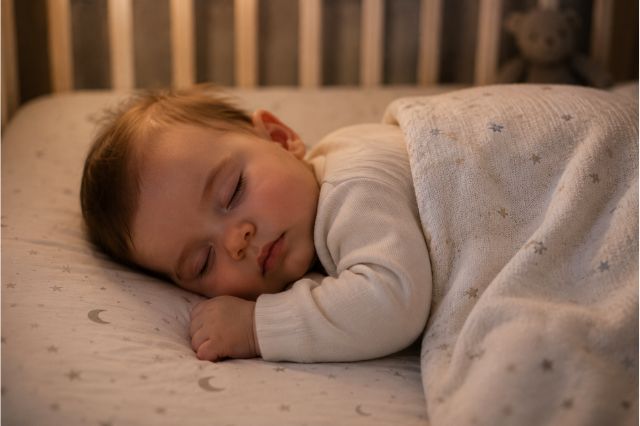
- Eine gesunde Schlafumgebung schaffen: Das hilft vor allem am Abend, um das Einschlafen zu erleichtern. Achte auf gedimmtes Licht, wie du dein Baby nachts anziehst und wie die Temperatur im Zimmer ist. Auf ablenkende Dinge im Bettchen, wie Kuscheltiere oder ein Mobile, solltest du besser verzichten.
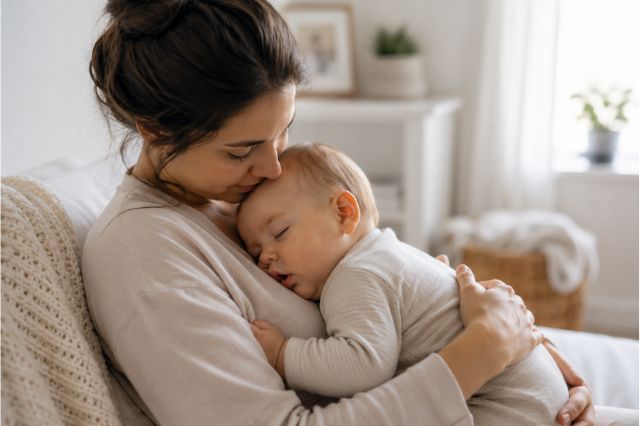
- Nähe geben und Geduld haben: Denn in der Phase der Schlafregression braucht dein Baby zumeist einfach nur dich beziehungsweise euch als Eltern. Also kuschelt viel miteinander und tragt euer Kind, wenn es danach verlangt.
- Auf smarte Helferlein setzen: Gerade für den Tagschlaf ist die swing2sleep Federwiege ideal, um dein Kind rasch und sicher in den Schlaf zu schaukeln. Und auch abends nutzen einige Eltern unsere Wunderwiege mit ihren sanften Auf- und Abbewegungen, um das Kind zum Einschlafen zu bringen. Ist es dann im Tiefschlaf, kann dein Baby vorsichtig ins Bettchen umgelagert werden.
Ist dein Baby plötzlich häufig von Schlafproblemen geplagt und befindet sich in einer Schlafregression, solltest du bestmöglich auf seine Bedürfnisse eingehen. Unsere Federwiege hilft nicht nur während der 4 Monats Schlafregression: Wann immer dein Baby Probleme mit dem Einschlafen, dem Durchschlafen oder dem zur Ruhe kommen hat, kann unsere Wunderwiege helfen.
Häufige Fragen zur Schlafregression beim Baby
Wie lange dauert eine Schlafregression beim Baby?
Die 4-Monats-Schlafregression dauert meist zwei bis sechs Wochen und damit kürzer als spätere Phasen. Wie lange die Schlafregression bei deinem Baby anhält, hängt von seiner individuellen Entwicklung ab. Die Monatsangaben sind Richtwerte, kein fester Zeitplan.
Woran erkenne ich, dass mein Baby in einer Schlafregression steckt?
Typische Anzeichen sind schlechtes Einschlafen, häufigeres nächtliches Aufwachen, oft nur 60 bis 90 Minuten am Stück, und mehr Unruhe. Dein Baby sucht auffällig viel Nähe und zeigt Trennungsangst. Auch der Mittagsschlaf fällt oft kürzer aus oder ganz weg.
Ist eine Schlafregression ein Rückschritt in der Entwicklung meines Babys?
Nein. Trotz des Namens steckt meist ein Wachstums- und Entwicklungsschub dahinter, dein Baby lernt gerade neue motorische und kognitive Fähigkeiten. Die neuen Eindrücke werden nachts im Langzeitgedächtnis verarbeitet, das stört vorübergehend den Schlaf.
Hängen Schlafregression und Zahnen zusammen?
Ja, teilweise. Die Schlafregression beim Baby wird manchmal zusätzlich durch das Zahnen verstärkt, etwa rund um die 12-Monats-Regression, wenn die ersten Zähnchen kommen. Beide Ursachen können sich überlagern, der Auslöser lässt sich dann nicht immer eindeutig trennen.
Wie viele Schlafregressionen gibt es im ersten Lebensjahr und wann treten sie auf?
Die bekanntesten Phasen liegen bei 4, 8, 12 und 18 Monaten. Jede Phase ist an einen Entwicklungsschritt gekoppelt, etwa Drehen, Krabbeln, Laufen lernen oder erste Wortzusammenhänge. Die Monatsangaben sind Orientierung, kein fester Zeitpunkt.
Was hilft meinem Baby während einer Schlafregression?
Am meisten helfen ein geregelter Tagesablauf, eine ruhige Schlafumgebung, Nähe und Geduld. Auch die Federwiege kann dein Baby beruhigen und ihm beim Einschlafen sowie Durchschlafen helfen. Die Phase geht nach einigen Wochen von selbst wieder vorbei.

Schlafentzug gleicht Folter: Doch es wird besser
Wir wissen: Es kann enorm an den Nerven zerren, wenn die Schlafphasen deines Kindes wieder kurz sind und die Nächte wenig Erholung bringen. Wacht dein Baby schnell auf, schreit die ganze Nacht und findet nicht in den Schlaf, kann das sehr belastend sein.
Die gute Nachricht ist aber, dass das alles wieder vorbeigehen wird. Solltest du bei extremer Erschöpfung das Gefühl haben, alles wächst dir über den Kopf, dann zögere nicht, dir Hilfe zu holen. Das ist niemals ein Zeichen von Schwäche, sondern stets von Selbstfürsorge.